Thank you for visiting my blog ...


This is Technology for Intelligent Decisions, a blog by Bilal Ayyub You can subscribe if you'd like to stay up to date and receive emails when new content is published!

This is Technology for Intelligent Decisions, a blog by Bilal Ayyub You can subscribe if you'd like to stay up to date and receive emails when new content is published!

I am delighted to share that the Third Edition of my textbook, Risk Analysis in Engineering and Economics, is now available for order from Chapman & Hall, Taylor and Francis. 🔗 Order the book from Amazon Engineering and economic decisions are rarely made with complete information. They require us to identify
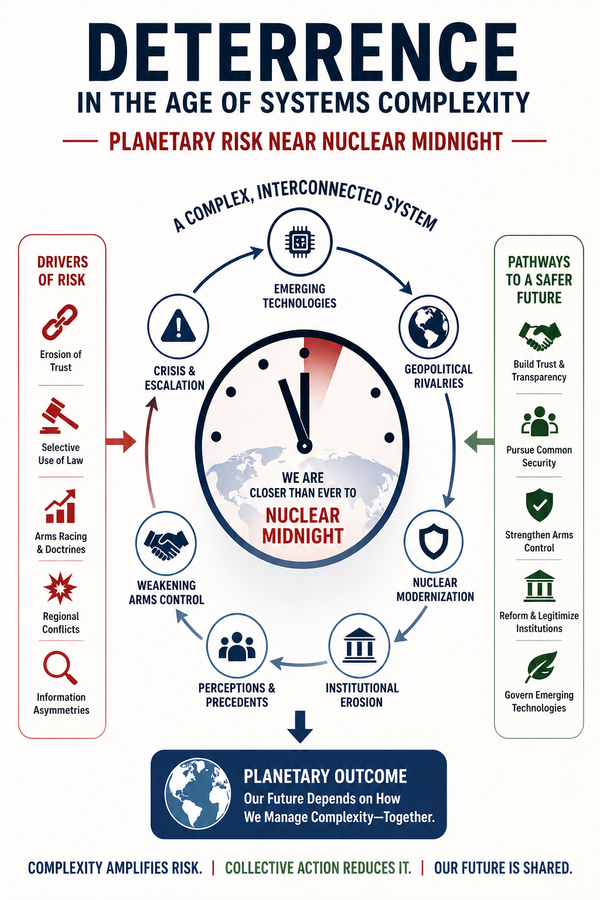
1. A System Under Stress, Not Just Weapons The global nuclear landscape is entering a new phase defined not simply by the number of weapons, but by the complexity of the system in which deterrence operates. We are approaching what can be described as “nuclear midnight,” not only because of
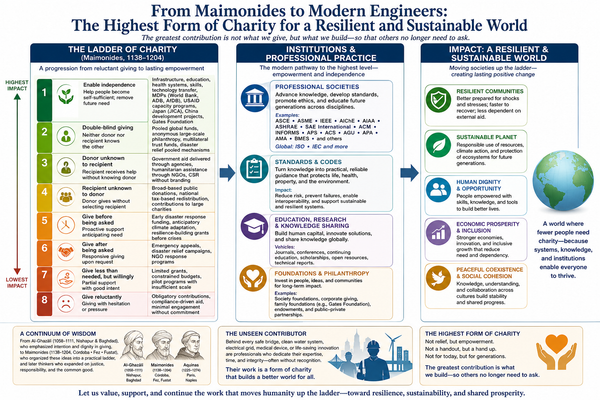
Rethinking Charity in an Age of Complexity When we hear the word charity, we tend to picture visible acts of giving, donations that provide immediate relief in times of need. These acts are important and often lifesaving. Yet many of the most consequential contributions to human well-being are neither
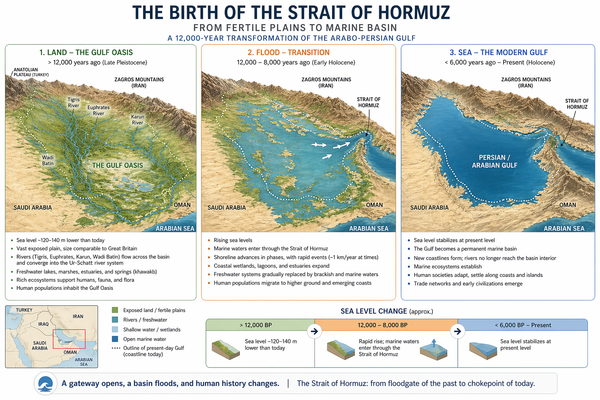
Ancient Rivers, Lost Landscapes, and the System Transformation of the Arabo-Persian Gulf Introduction Today, the Strait of Hormuz is known as a strategic chokepoint in global energy systems; however in deep time, it was something entirely different. Before the waters of the Indian Ocean filled the basin, the present-